Furling jibs and genoas are among the most popular headsail choices for sailors worldwide; and for good reason. They offer convenience, flexibility, and ease of handling on board. But once you start exploring the options, it quickly becomes clear that there is a lot to consider. Which furling system suits your boat? How do you protect your sail during the season? And what should you watch out for when sailing in stronger winds? In this guide, we cover everything you need to know about furling jibs and genoas.
Not all furling systems are the same. The right choice depends on your boat, your sailing style, and how you use your headsail. There are two main approaches to furling a headsail:
Traditional hanked-on sails are still used in offshore sailing and on older boats, but most modern cruising sailors opt for a furling foil system. With a furling foil, the sail wraps around a continuous extrusion on the forestay. This allows you to roll the sail in and out with minimal effort; ideal for short-handed sailing.
Furling systems can be either above-deck or below-deck:
Below-deck systems are often found on performance cruisers and racing yachts, where deck space and cleanliness are a priority.
For smaller boats or simple rigs, there are compact solutions available using top and bottom swivels; without the need for a dedicated furling extrusion. These lightweight systems are cost-effective and easy to install, making them a practical choice for day sailors and smaller keelboats.
A proper setup is key to good performance and long-term reliability. Unsure which system suits your boat? Browse our range of furling jibs and genoas to find the right sail for your setup.
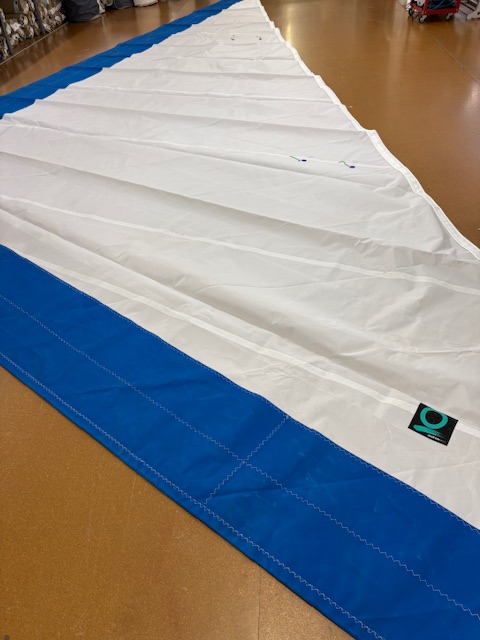
Many sailors leave their headsail furled for the entire season. It is convenient; but it comes with a few important considerations.
Furling systems are primarily designed with cruising in mind. When it comes to racing performance, however, there are limitations to keep in mind.
In competitive sailing, sail shape is everything. A furling system introduces compromises: the luff cannot be tensioned as precisely, and the foil adds weight and windage. Depending on the configuration, this can affect upwind performance and overall sail trim.
For club racing and performance cruising, a well-chosen furling jib can still deliver excellent results. For the highest levels of competition, a racing foil is generally preferred.
When the wind picks up, it may be tempting to simply roll away part of the headsail to reduce sail area. While this can work in practice, sailing with a partially furled headsail should always be done with caution.
If you regularly sail in stronger winds, it is worth investing in a dedicated storm jib or a smaller headsail for those conditions.
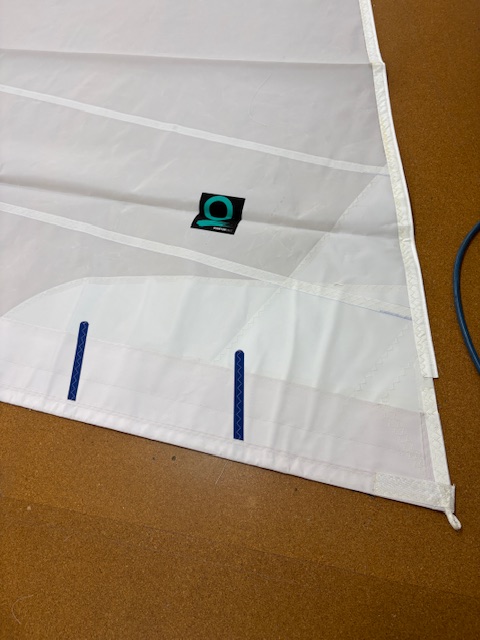
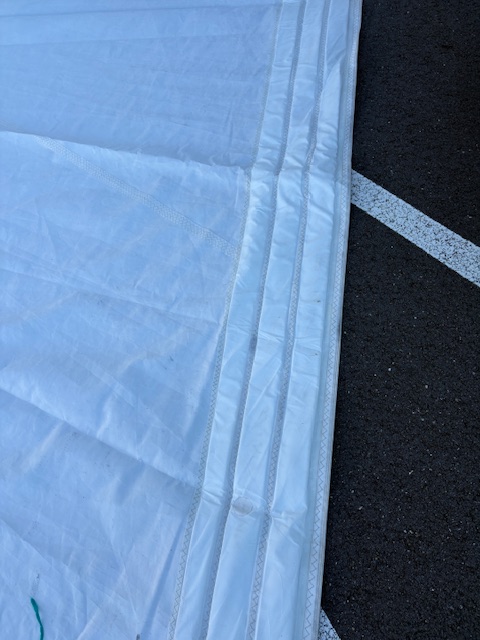
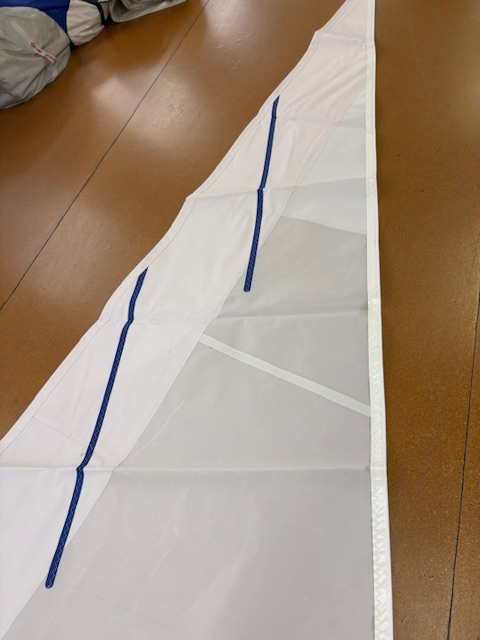
When a headsail is reefed or fully furled, it forms a roll around the forestay. Without support, the centre of the roll tends to be thicker than the ends; which means the sail does not roll evenly and can affect both storage and trim. Furling foam is used to address this problem by providing a tapered profile along the luff of the sail.
There are several solutions available, depending on your sail type and how intensively you sail:
The best choice depends on your sail design, your sailing habits, and how often you reef. A professional sailmaker can advise you on the most suitable option for your situation.
With so many systems, sail types, and configurations to choose from, finding the right furling jib or genoa can feel overwhelming. The good news is that you do not have to figure it out alone.
At Resail, we carefully assess every sail on our platform. Whether you are looking for a new sail, a high-quality used option, or expert advice on what suits your boat; we are here to help. Our team has the background and experience to guide you towards the right solution, without the uncertainty that often comes with buying second-hand.
Browse our current selection of furling jibs and genoas; or get in touch with us directly. We are happy to think along with you and help you make the right choice for your boat and the sailing season ahead.